

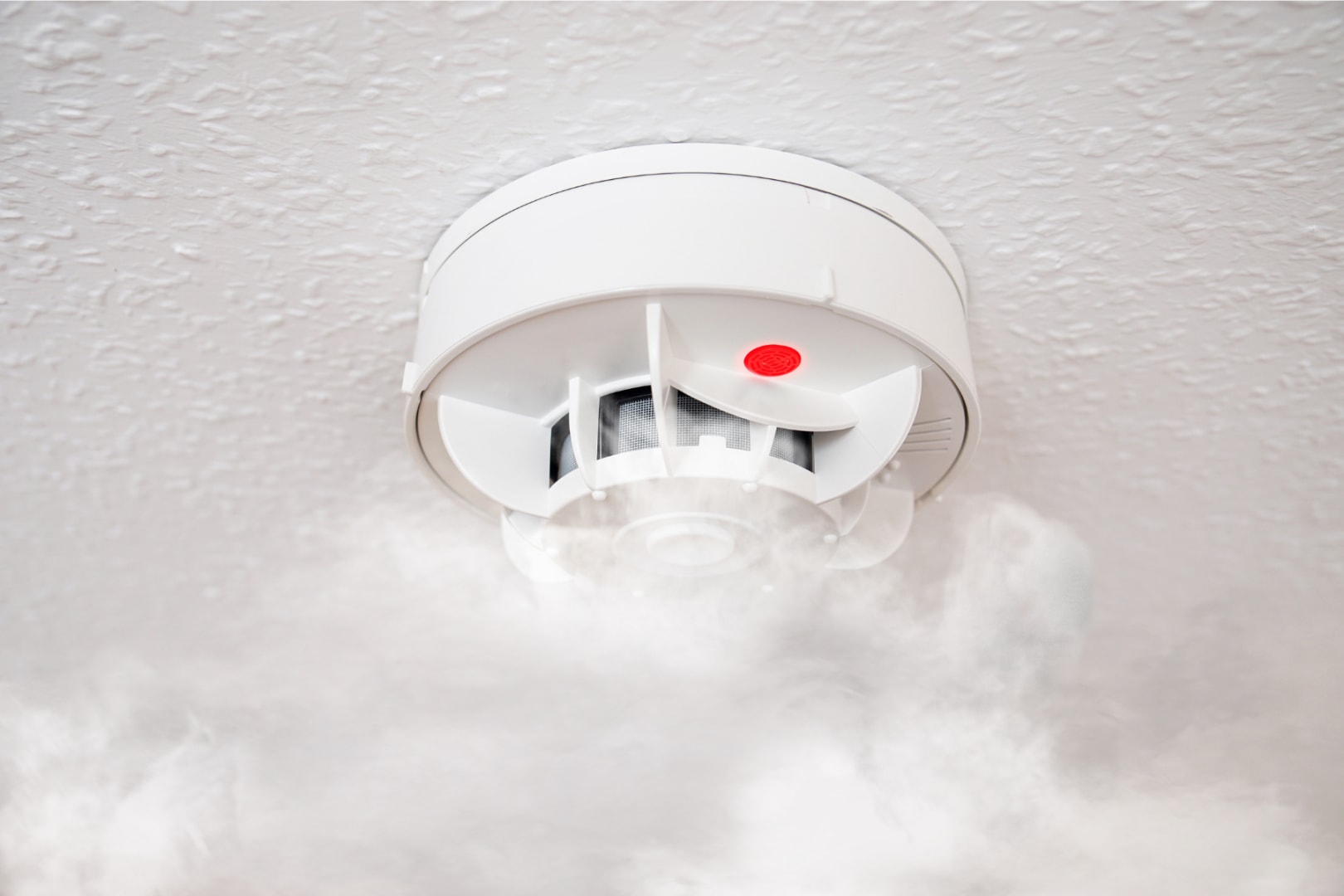
Fire safety is a term we all know to be important for protecting our homes and families. But have you really taken the time to understand what you should do to stay safe?
✓Do you know the proper placement of smoke alarms?
✓Do you know how to care for them beyond changing the batteries twice a year?
✓Do you know the difference between an ionization alarm and a photoelectric smoke alarm?
If you want to ensure your family is protected, keep reading for answers to these important questions.
How many smoke alarms do you need?
It depends on the size and layout of your home. As a starting point:
✓Place at least one smoke alarm on every level of your home, including the basement.
✓Install one within 15 feet of all sleeping areas, and for extra safety, place one inside each bedroom.
✓Alarms should be mounted on the ceiling, 4 to 12 inches from the wall, or on the wall within the same distance from the ceiling.
✓Keep alarms at least 3 feet away from windows or air ducts.
✓Do not place alarms between an air duct and a door.
✓Avoid installing alarms in the kitchen, bathroom, garage, or workshop, where fumes, steam, or dust could cause false alarms.
Caring for your smoke alarms
✓Dust can cause false alarms. Use a vacuum cleaner to remove dust and cobwebs.
✓If painting near a smoke alarm, use a shield to protect it and remove the shield once finished.
✓Test alarms monthly.
✓Replace batteries with new ones twice a year.
✓Smoke alarms have a life span of 7 to 10 years. Check the manufacturer's instructions or the date on the unit, and replace alarms once expired.
Experts estimate that one-third of home smoke alarms are not working. Please make sure yours are up to date.
Types of smoke alarms
Ionization smoke alarms
Detect changes in electrical current caused by smoke. They respond quickly to heat and flames, making them ideal for detecting fast-spreading fires.
Photoelectric smoke alarms
Use a light beam inside the unit that is disrupted by smoke particles. They respond more quickly to smoldering fires, often before flames appear.
Tip: Experts recommend having both types installed in your home for maximum protection.
The dangers of smoke
House fires move quickly, gaining speed as they spread. But the real killer is often smoke:
✓A person can die of smoke inhalation in less than a minute.
✓Smoke can dull the senses, deepen sleep, and prevent people from waking up when danger strikes.
✓Without a working smoke alarm, most people never wake up in time to escape.
Final thoughts
I hope you've found this information helpful and that you'll take the time to inspect the placement and condition of your smoke alarms.
If you know an elderly neighbor, family member, or friend, please help them by checking their alarms. And remember, smoke alarms make a thoughtful, life-saving birthday or holiday gift.
FAQs
How many smoke alarms do I need, and where should they go?
Place at least one alarm on every level of your home, including the basement. Position them within about 15 feet of sleeping areas, ideally inside bedrooms. Mount alarms on the ceiling 4 to 12 inches from the wall or high on a wall. Avoid installing them near kitchens, bathrooms, or heating ducts to prevent false alarms.
How should I care for my smoke alarms?
Keep smoke alarms clean by vacuuming dust and cobwebs regularly. Shield them when painting, test them monthly, and replace batteries twice a year. Most alarms should be replaced every 7 to 10 years based on the manufacturer's recommendation.
What's the difference between ionization and photoelectric smoke alarms?
Ionization alarms detect fast-flaming fires quickly, while photoelectric alarms respond faster to slow, smoldering fires. For the best protection, experts recommend using both types in your home.
Why is smoke so dangerous in house fires?
Smoke spreads fast and can fill a home in less than a minute. It dulls the senses, makes it harder to wake up, and can overwhelm people before they realize there's a fire. That's why having working smoke alarms is critical, they alert you early so you have time to escape safely.
Have a question about your home, or thinking about a move in Hendricks County? Let's talk, no pressure, no obligation.