

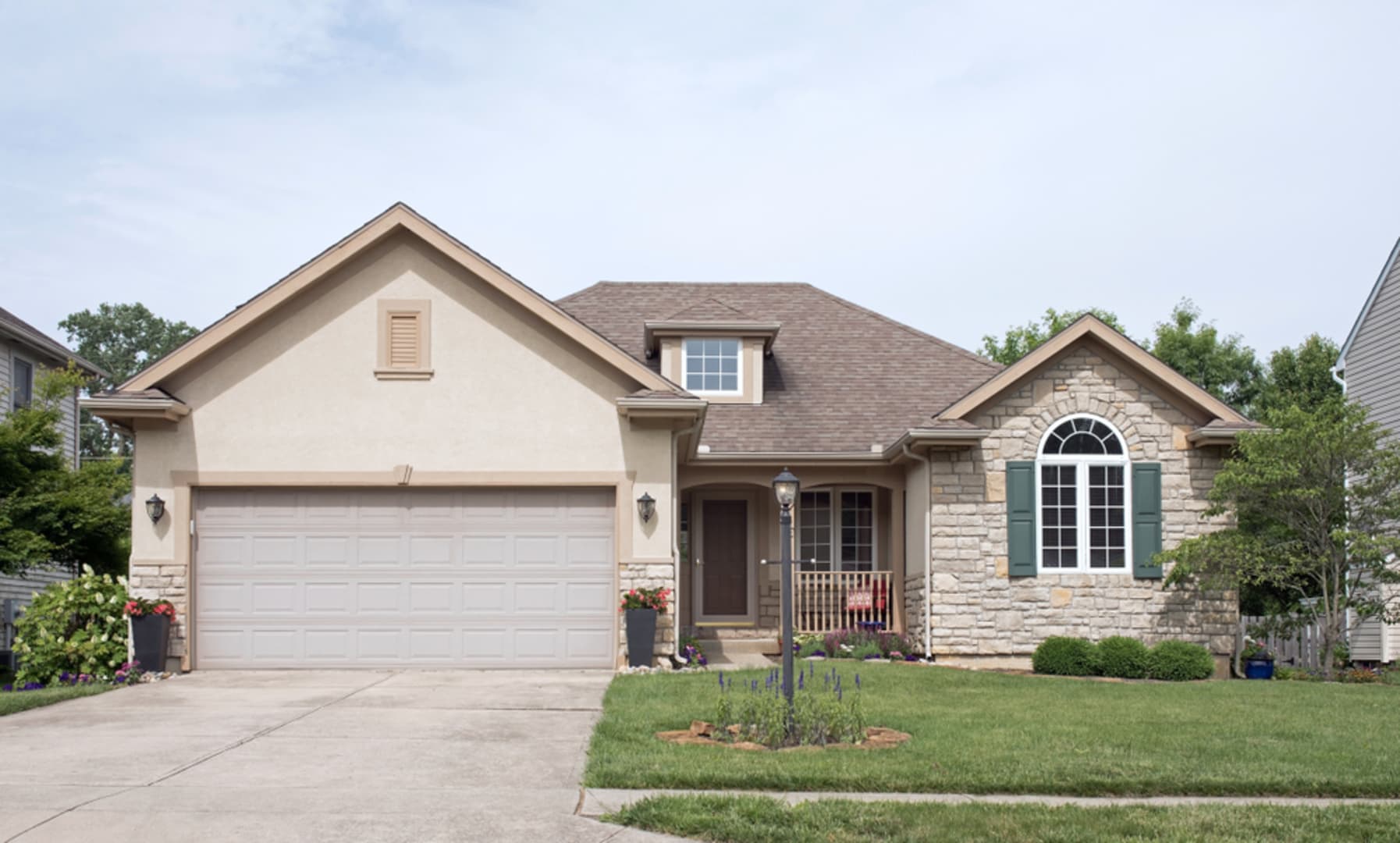
 Many inherited homes come with years of memories, family history, and important decisions that need to be made. I've worked with families throughout Hendricks County and the Indianapolis area who were navigating estate sales, probate questions, downsizing, and out-of-state relocations. My role is to help simplify the process, explain your options, and keep things moving forward at a pace that works for you.
Let's talk through your situation, no pressure. I offer no-pressure phone and in-person consultations. Call or text (317) 987-7068 or email rene@indyhomepros.com.
Frequently asked questions
How long does an estate sale take in Indianapolis?
The timeline for selling an inherited home typically ranges from 6 to 18 months depending on probate requirements and the property's condition. Once you have authority to sell, the actual marketing and sale process usually takes 30 to 90 days. Homes requiring extensive repairs or cleanouts may take longer to prepare for market.
Do I need probate court approval to sell an inherited home in Indiana?
Most inherited properties require probate court involvement before they can be sold. However, properties held in certain trusts or with specific ownership arrangements may bypass this process. Consulting with a probate attorney is the best way to understand your specific situation.
What happens if the estate home needs repairs?
You can either invest in fixing the home before listing it or sell it "as-is" at a potentially lower price. Many buyers and investors in Indianapolis specifically look for properties that need work. Getting a pre-listing inspection can help you understand what repairs are needed and make an informed decision.
Can I sell an inherited home before probate is complete?
Generally you'll need court authority before legally transferring ownership, though you can prepare the home and market it during the probate process. Some buyers are willing to enter contracts contingent upon probate approval. Working with an experienced estate sale agent can help you navigate the timing effectively.
What are the tax implications of selling an inherited property?
Inherited properties typically receive favorable tax treatment through a "stepped-up basis," which often results in little to no capital gains tax if sold relatively soon after inheriting. The specific tax implications depend on timing and the property's appreciation. Consulting with a tax professional is recommended to understand your particular situation.
How do I handle an inherited home with multiple heirs?
All heirs typically need to agree on major decisions like whether to sell, the listing price, and how to handle repairs. Clear communication and designating one point person to work with the real estate agent can help streamline the process. If conflicts arise, mediation or legal counsel can help resolve disputes.
Should I hire a real estate agent experienced in estate sales?
An agent experienced in estate sales understands the unique complexities including probate processes, potential title issues, and family dynamics. They can connect you with probate attorneys, estate sale companies, and contractors while managing the legal obligations involved. Their expertise can save you significant time, money, and stress.
What should I do with the personal belongings in the inherited home?
Start by identifying items family members want to keep, then consider holding an estate sale or contacting companies that purchase personal items, furniture, dishes, and collectibles. Unsold items can be donated to local Indianapolis charities or removed through junk disposal services. Document the process as the personal representative may need to account for how estate assets were handled.
How is the sale price determined for an inherited property?
The sale price should reflect current market value based on recent sales of similar homes in your Indianapolis area. A comparative market analysis from a local agent or professional appraisal will help determine fair value considering the property's condition. The personal representative should ensure the property is priced fairly to meet their responsibility to the estate.
Can I live in the inherited home while selling it?
This depends on whether you're the sole heir or one of multiple beneficiaries and may require agreement from other parties involved. Living in the home while selling can complicate showings and affect presentation to buyers. Consulting with your probate attorney about the arrangement is advisable.
What if the inherited home has a mortgage or liens?
Indiana is a title state, meaning the title company will research and identify any liens attached to the property during the closing process. These payoff amounts will be factored into the settlement costs at closing. You should continue making mortgage payments during the probate process to avoid foreclosure.
How do I choose between selling as-is or making improvements?
Selling as-is saves time and upfront costs but typically results in lower offers, while strategic improvements can increase buyer appeal and sale price. Focus on repairs that address safety issues or would significantly impact marketability. Your Indianapolis agent can advise on which improvements offer the best return on investment for your specific property.
What disclosure requirements apply to inherited property sales?
An Indiana Seller's Disclosure is not required for inherited properties, though it may be in the family's best interest to disclose any known defects. If funds aren't available for upfront repairs, one option is to obtain contractor invoices that can be paid from the proceeds at closing. Being transparent about known issues helps build trust with buyers and can smooth the transaction.
How are the proceeds from the sale distributed?
Sale proceeds are used first to pay selling costs, then outstanding debts and liens, followed by estate expenses and administrative costs. Only after all obligations are satisfied can remaining funds be distributed to heirs according to the will or state law. The personal representative handles this distribution and typically must provide accounting documentation.
What if I want to keep the inherited property instead of selling?
If you wish to keep the inherited home, you'll typically need agreement from all other heirs if there are multiple beneficiaries involved. You may need to buy out other heirs' shares at fair market value, which can sometimes be arranged through refinancing. Consider the ongoing costs of maintenance, property taxes, insurance, and any mortgage payments before making this decision.
Navigating an inherited home? Let's talk.
I'll help you understand your options and keep things moving at a pace that works for your family. No pressure, no obligation.
Serving Plainfield, Avon, Brownsburg, Danville, Mooresville, and all of Hendricks County & West Indianapolis.